FiiO BTR13


FiiO BTR13
$129.00 $99.00
- Authorized Dealer · Tech Support · See Return Policy
👏Buy 2 Save 8% · Buy 3 Save 10% Auto
$129.00 $99.00
We help you choose, connect and maintain your system—not just ship a box.
The following product descriptions, specifications and images are provided by the manufacturer.
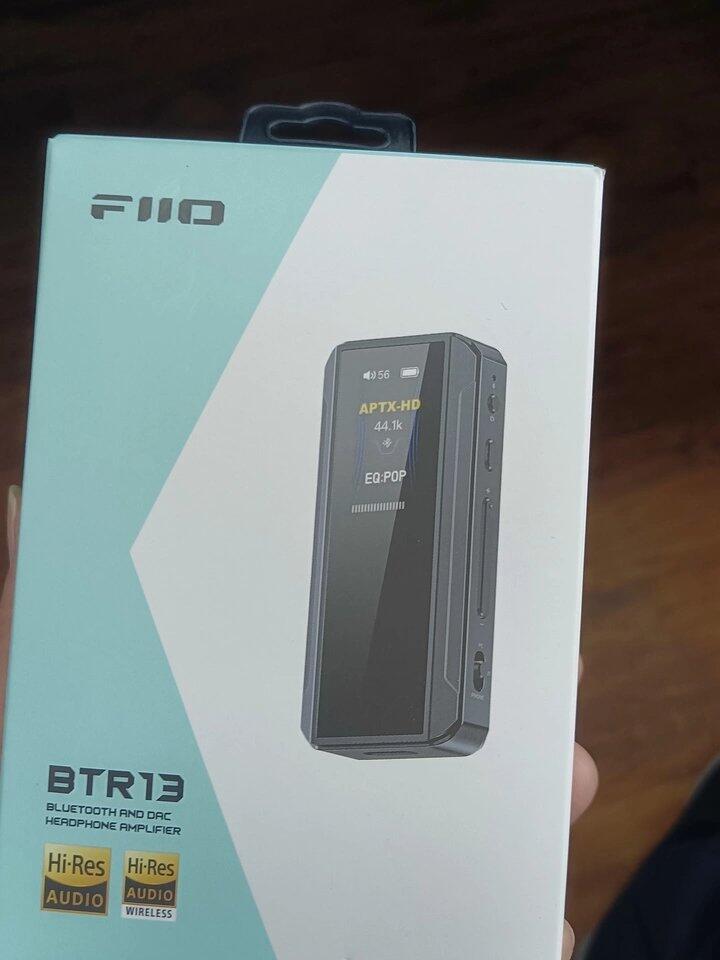
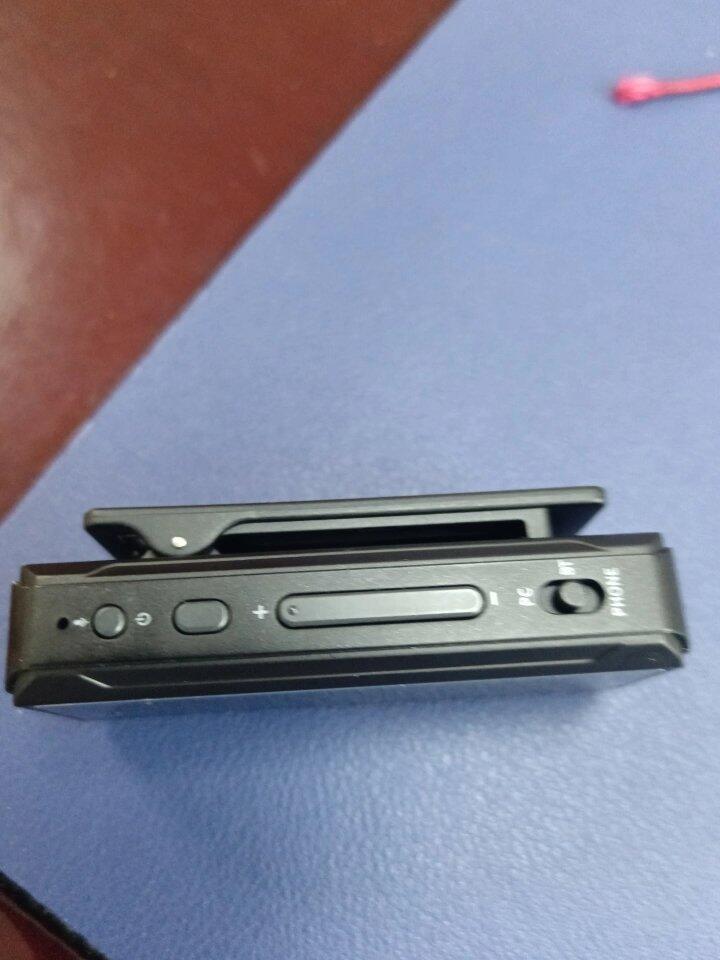
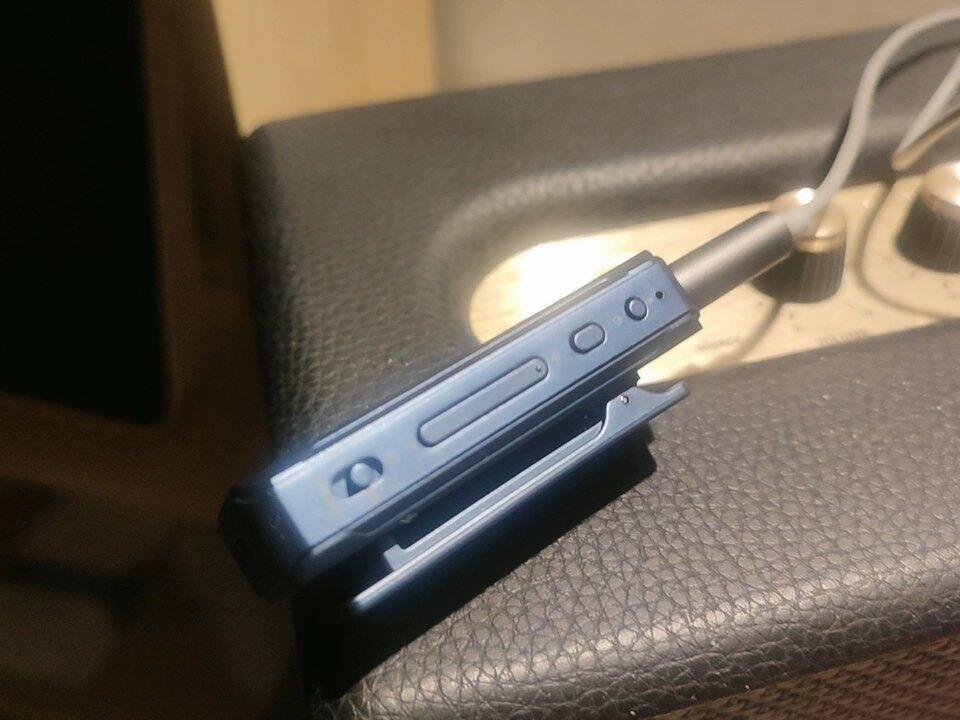
FiiO BTR13 is a compact rechargeable Bluetooth receiver, USB DAC and headphone amplifier designed to add wireless playback and digital audio to wired earphones and headphones. Its physical BT/PC/PHONE switch changes both the connection method and power behaviour without requiring menu navigation.
Dual CS43131 DACs, 3.5mm single-ended and 4.4mm balanced outputs, global PEQ and a colour display make it the entry-level all-rounder in FIIO’s BTR range. It is best matched with IEMs and portable headphones rather than very demanding full-size models.
Receive SBC, AAC, aptX, aptX Low Latency, aptX HD, aptX Adaptive or LDAC from compatible Bluetooth sources, or connect by USB-C for driver-free PCM playback up to 96kHz/24-bit.
BT mode receives wireless audio, PC mode uses USB audio and USB power, and PHONE mode uses USB audio while normally preventing the BTR13 from drawing charging power from the phone.
The 3.5mm output provides up to 100mW + 100mW at 32Ω, while the 4.4mm balanced output reaches up to 220mW + 220mW for compatible earphones and headphones.
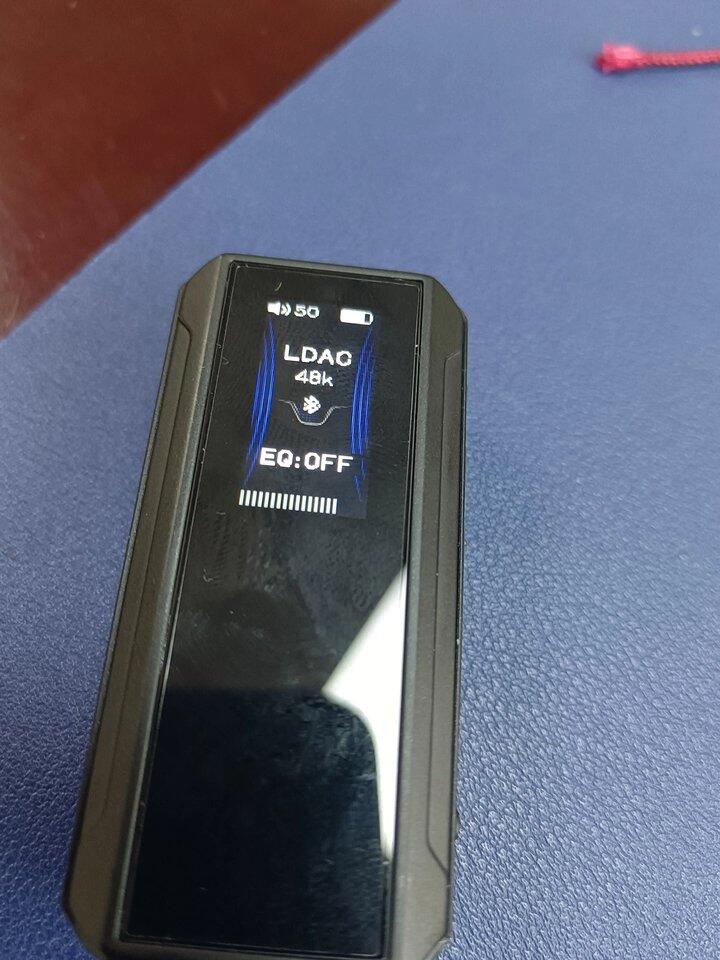
The 0.96-inch colour screen shows operating information, while FIIO Control and compatible web control provide PEQ adjustment. The 3.5mm socket also supports compatible CTIA in-line controls and microphones.


Choose BTR13 when low weight, lower cost, Bluetooth, PEQ and enough power for most IEMs or portable headphones are the priorities. BTR15 adds a dedicated XMOS USB controller, supports up to PCM 384kHz/32-bit and DSD256, and provides more balanced power at 32Ω. Both support 3.5mm and 4.4mm headphones, so BTR15 is mainly the better choice for higher USB capability and additional power—not simply because it is newer.
No. It receives Bluetooth audio from a phone, tablet or computer and plays it through wired headphones connected to the 3.5mm or 4.4mm output. It cannot act as a Bluetooth transmitter.
BT mode is for wireless reception. PC mode receives USB audio and takes power from the USB connection. PHONE mode receives USB audio but normally disables USB charging so the BTR13 uses its own battery and reduces the drain on the phone. If the battery becomes critically low while powered off, forced charging can still occur.
USB supports driver-free PCM playback up to 96kHz/24-bit. It can avoid Bluetooth codec compression, but BTR13 does not support the 384kHz/32-bit and DSD256 USB capability of BTR15. The audible result still depends on the source file, playback software and headphones.
Bluetooth works with iPhone through AAC. For wired USB audio, USB-C iPhones can use a compatible USB-C data cable; Lightning iPhones require a separately purchased compatible USB-C-to-Lightning data cable. The included cable is USB-C to USB-C.
The 3.5mm output supports compatible CTIA in-line controls and microphones. This does not apply to ordinary 4.4mm balanced headphone cables, which normally carry audio only. Compatibility can vary with the cable wiring and connected phone or application.
Yes, it supports Bluetooth multipoint pairing with two devices. Only one device supplies audio at a time; pause the first source before starting playback on the second if switching does not occur automatically.
Use 3.5mm for standard headphone cables, CTIA headsets and lower power needs. Use 4.4mm only with a headphone cable wired for balanced operation when more output power is useful. Do not convert a 4.4mm balanced output to a single-ended headphone with an unsafe adapter.
It can drive some efficient full-size models, but its 220mW + 220mW balanced rating at 32Ω is intended for portable use. Very insensitive planar headphones, high-impedance models requiring substantial voltage or listeners needing large volume headroom should consider BTR15, BTR17 or a desktop amplifier.
FIIO lists 10-band PEQ and GEQ support across Bluetooth codecs and USB Audio. Settings can be managed through supported FIIO Control functions or compatible desktop web control. The web controller requires a supported browser and desktop operating system.
FIIO rates battery life at about eight hours, with charging taking up to approximately two hours. Actual runtime changes with codec, output connection, volume, headphone load, screen use and PEQ settings.
A 3.5mm connection can feed a compatible AUX input, but BTR13 does not have a dedicated fixed-level RCA or XLR line output. Begin with low volume and adjust carefully. Car mode can coordinate power behaviour with a compatible vehicle USB connection.
Source icon: Phone
Source: Phone / tablet
Connection: Bluetooth
Output connection: 3.5mm / 4.4mm headphone output
Target icon: Headphones
Output: Wired IEMs / headphones
Note: Select BT mode, pair the source and choose a codec supported by both devices.
Source icon: Phone
Source: USB-C phone
Connection: USB-C data cable
Output connection: 3.5mm / 4.4mm headphone output
Target icon: Headphones
Output: Wired IEMs / headphones
Note: Select PHONE mode to use the BTR13 battery instead of normally charging from the phone. Lightning iPhones require a compatible cable purchased separately.
Source icon: Computer
Source: PC / Mac
Connection: USB-C
Output connection: 3.5mm / 4.4mm headphone output
Target icon: Headphones
Output: Wired IEMs / headphones
Note: Select PC mode. BTR13 is driver-free and supports PCM up to 96kHz/24-bit.
| Feature | Specification |
|---|---|
| Product type | Portable Bluetooth receiver, USB DAC and headphone amplifier |
| Bluetooth controller | Qualcomm QCC5125 |
| DAC | 2 × Cirrus Logic CS43131 |
| Bluetooth version | 5.1 |
| Bluetooth codecs | SBC, AAC, aptX, aptX Low Latency, aptX HD, aptX Adaptive and LDAC |
| USB DAC | Driver-free PCM up to 96kHz/24-bit |
| Headphone outputs | 3.5mm single-ended; 4.4mm balanced |
| 3.5mm output power | ≥100mW + 100mW at 32Ω; ≥10mW + 10mW at 300Ω |
| 4.4mm balanced output power | ≥220mW + 220mW at 32Ω; ≥55mW + 55mW at 300Ω |
| Signal-to-noise ratio | ≥128dB, A-weighted |
| Equalizer | 10-band PEQ and GEQ |
| In-line control | CTIA controls and microphone through compatible 3.5mm headset |
| Display | 0.96-inch 80 × 160 colour IPS |
| Operating modes | BT / PC / PHONE |
| Battery capacity | 460mAh |
| Rated battery life | Approx. 8 hours |
| Charging time | Up to approx. 2 hours |
| Dimensions | Approx. 63.2 × 30 × 18.8mm including clip |
| Weight | Approx. 28.6g |
Visit the EMiUZEK download center.
| Feature | FiiO BTR13 | FiiO BTR15 |
|---|---|---|
| Position | Lightweight entry model | Higher-performance portable model |
| DAC | 2 × CS43131 | 2 × ES9219MQ |
| Maximum USB decoding | PCM 96kHz/24-bit | PCM 384kHz/32-bit; DSD256 |
| 3.5mm power at 32Ω | 100mW + 100mW | 125mW + 125mW |
| 4.4mm power at 32Ω | 220mW + 220mW | 340mW + 340mW |
| PEQ | 10-band PEQ and GEQ | 10-band PEQ and GEQ |
| Weight | Approx. 28.6g | Approx. 37.3g |
| Choose it when | Lower weight and value matter most | You need more power and higher-resolution USB decoding |
We provide tracked international shipping with delivery options and estimated delivery times shown during checkout.
All products sold by EMIUZEK are genuine products with manufacturer warranty support.
Our HiFi specialists provide assistance with compatibility, setup, and technical questions.
Eligible returns are available according to our return policy.
Please contact EMIUZEK before returning any product so we can provide assistance.