EMiUZEK D10


EMiUZEK D10
$39.99 $29.99
- Оригинальная продукция
- Доставка в Россию
- Безопасная оплата
- Поддержка клиентов
- Бесплатная доставка на все заказы свыше 50,00
- Возврат без проблем, возврат в течение 30 дней
$39.99 $29.99
Мы помогаем вам выбрать, подключить и обслуживать вашу систему, а не просто отправляем коробку.
Следующие описания продукции, спецификации и изображения предоставлены производителем.
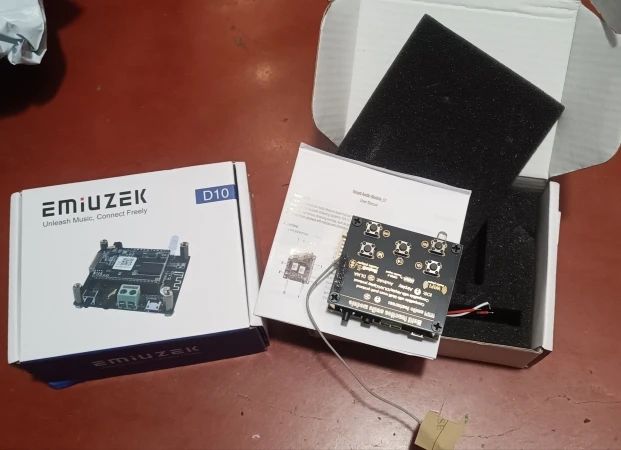
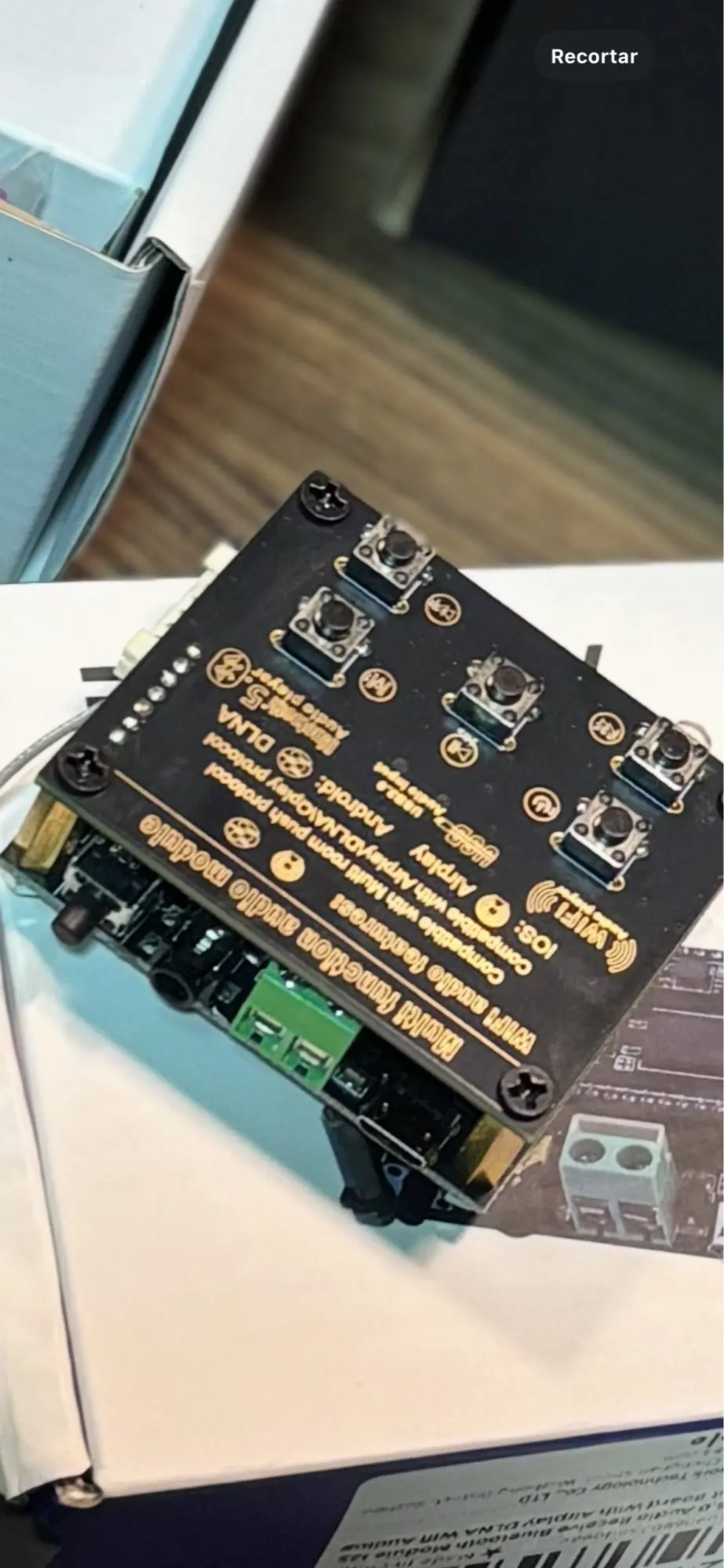
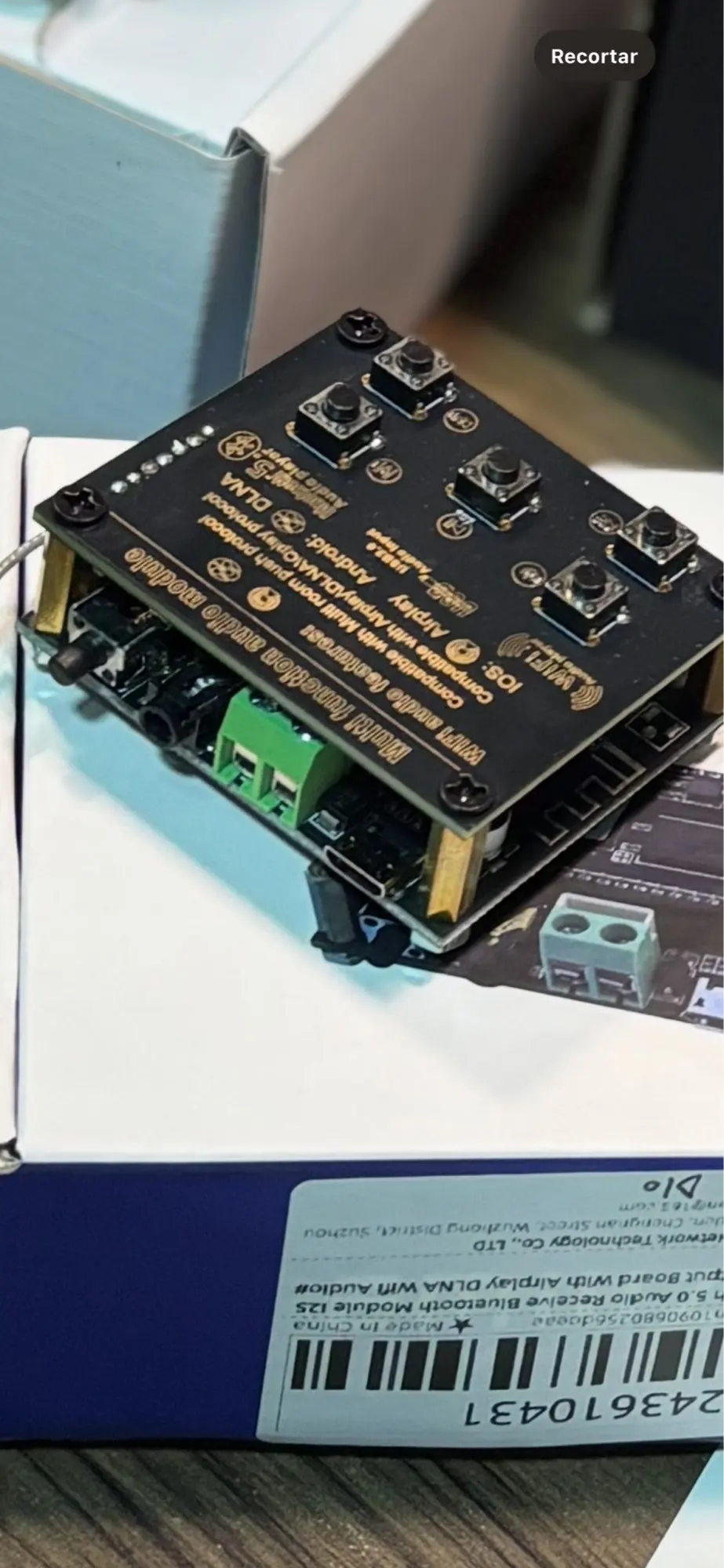
EMiUZEK D10: Преобразите свою аудиосистему с помощью беспроводной потоковой передачи EMiUZEK D10 — это компактная, высокопроизводительная плата для самостоятельной сборки, разработанная для добавления современных беспроводных возможностей к вашей существующей стереосистеме, усилителю или колонкам. Забудьте об ограничениях проводных подключений — D10 легко интегрирует технологии Wi-Fi и Bluetooth, позволяя вам передавать музыку в потрясающем качестве по всему дому. Ключевые особенности Беспроводное подключение: Оснащен двухрежимным подключением Wi-Fi (2,4 ГГц) для высококачественной потоковой передачи на большие расстояния, а также
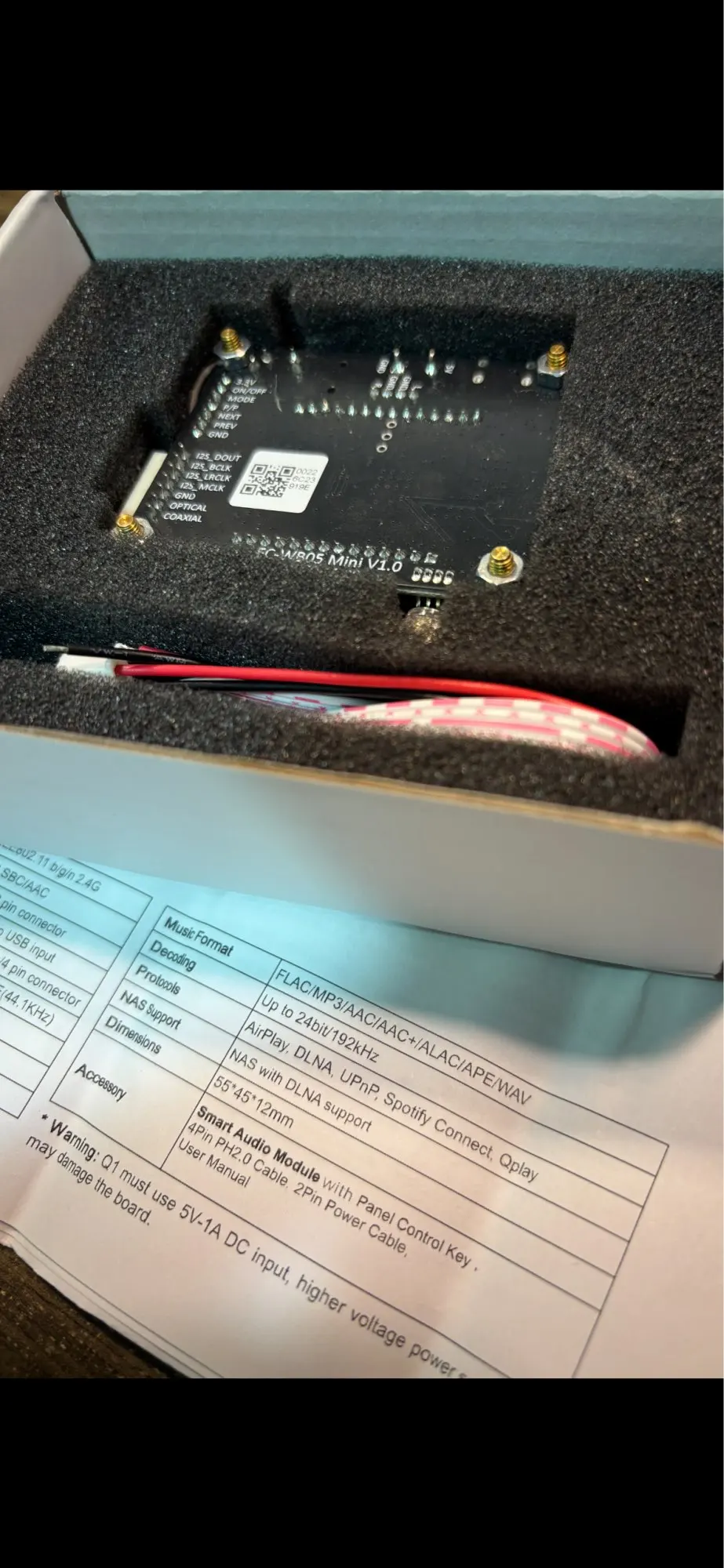
Аудио высокого разрешения: Поддерживает основные протоколы потоковой передачи, такие как AirPlay, DLNA и UPnP, обеспечивая стабильный и высококачественный аудиосигнал.
EMiUZEK D10: Преобразите свою аудиосистему с помощью беспроводной потоковой передачи EMiUZEK D10 — это компактная, высокопроизводительная плата для самостоятельной сборки, разработанная для добавления современных беспроводных возможностей к вашей существующей стереосистеме, усилителю или колонкам. Забудьте об ограничениях проводных подключений — D10 легко интегрирует технологии Wi-Fi и Bluetooth, позволяя вам передавать музыку в потрясающем качестве по всему дому.
Возможность мультирум: Является частью экосистемы EMiUZEK, позволяя подключать несколько плат D10 для создания единой мультирумной аудиосистемы для всего дома. Управление через приложение: Управляйте источниками музыки, громкостью и мультирумными группами непосредственно из специального приложения для смартфона.
Это умный способ наслаждаться всеми вашими цифровыми музыкальными сервисами, включая Spotify и Tidal, на вашем любимом оборудовании.


EMiUZEK D10 — это компактный цифро-аналоговый преобразователь (ЦАП), предназначенный для обхода посредственных внутренних звуковых чипов стандартных компьютеров, планшетов и игровых консолей. Обрабатывая звук внешне, D10 значительно уменьшает электронные помехи и искажения. Это приводит к гораздо более чистому, детализированному звуку, обеспечивая немедленное и заметное улучшение звучания ваших наушников или активных колонок.
Да, D10 разработан для широкой совместимости. Это устройство plug-and-play, которое обычно бесперебойно работает с Windows, macOS и Linux без необходимости сложной установки драйверов. Его универсальные цифровые входы позволяют подключать его к различным источникам, таким как ваш ноутбук, телевизор или игровая система, что делает его идеальным "универсалом" для всех, кто хочет улучшить свой повседневный звук.
Несмотря на свои компактные размеры, EMiUZEK D10 полностью способен обрабатывать аудиоформаты высокого разрешения. Он гарантирует, что при воспроизведении треков без потерь из таких сервисов, как Tidal или Qobuz, или прослушивании локальных файлов с высоким битрейтом сигнал декодируется с высокой точностью. Это сохраняет тонкие текстуры и динамику оригинальной записи, предлагая гораздо более захватывающий опыт, чем стандартный аудиовыход.
D10 имеет минималистичный, компактный дизайн, что делает его идеальным для загроможденных рабочих столов или мобильных установок. Однако не позволяйте его размеру обмануть вас — внутри он оснащен высококачественными компонентами и экранированным корпусом для защиты от деградации сигнала. Его компактный характер обеспечивает короткий путь сигнала, что часто предпочитают аудиофилы для сохранения чистоты и скорости аудиосигнала.
Безусловно. D10 — это отличный аудиомост. Вы можете подключить его к компьютеру через USB, а затем использовать его аналоговые выходы для передачи сигнала на старый интегрированный усилитель или пару активных мониторов. Это один из наиболее экономичных способов привнести современное цифровое аудио высокого разрешения в традиционную аналоговую Hi-Fi систему с ясностью и легкостью.
Источник: Поддерживаемый источник питания
Подключение: Питание и заземление в соответствии с маркировкой на плате
Выходное подключение: Подтвержденный аудиовыход на следующий каскад
Источник: Телефон или сетевое аудио
Подключение: Wi-Fi или Bluetooth к плате
Выходное подключение: Аудиовыход платы к усилителю
Источник: Выбранная совместимая плата расширения
Подключение: Подтвержденное подключение к разъему или кабелю
Выходное подключение: Требуемый входной или выходной интерфейс
| Функция | Спецификация |
|---|---|
| Модель | EMiUZEK D10 |
| Разрешение звука | Аудио высокого разрешения: Поддерживает основные протоколы потоковой передачи, такие как AirPlay, DLNA и UPnP, обеспечивая стабильный и высококачественный аудиосигнал. |
| Wi-Fi и потоковая передача | EMiUZEK D10: Преобразите свою аудиосистему с помощью беспроводной потоковой передачи EMiUZEK D10 — это компактная, высокопроизводительная плата для самостоятельной сборки, разработанная для добавления современных беспроводных возможностей к вашей существующей стереосистеме, усилителю или колонкам. Забудьте об ограничениях проводных подключений — D10 легко интегрирует технологии Wi-Fi и Bluetooth, позволяя вам передавать музыку в потрясающем качестве по всему дому. |
| Мультирум | Возможность мультирум: Является частью экосистемы EMiUZEK, позволяя подключать несколько плат D10 для создания единой мультирумной аудиосистемы для всего дома. Управление через приложение: Управляйте источниками музыки, громкостью и мультирумными группами непосредственно из специального приложения для смартфона. |
| Управление | Это умный способ наслаждаться всеми вашими цифровыми музыкальными сервисами, включая Spotify и Tidal, на вашем любимом оборудовании. |
| Использование и совместимость | Ключевые особенности Беспроводное подключение: Оснащен двухрежимным подключением Wi-Fi (2,4 ГГц) для высококачественной потоковой передачи на большие расстояния и Bluetooth для быстрого локального сопряжения. Его малый форм-фактор и четкая распиновка позволяют легко встраивать его в пользовательские колонки, активные полочные колонки или старые усилители. |
| Доступные конфигурации | Комплект: D10, RC, ЦАП, SPDIF / COA IN, SPDIF / COA OUT |
| Модель | Подтвержденные подключения | Лучше всего подходит для |
|---|---|---|
| D10 | 2,4 ГГц Wi-Fi, Bluetooth, AirPlay, DLNA, UPnP | Базовый DIY-сетевой потоковый ядро |
| D30 | USB, HDMI ARC, оптический, RCA, выход на сабвуфер, 5 В / 12 В | ТВ, 2.1-канальные и обширные сборки ввода/вывода |
| D50 | Bluetooth 5.3, Micro-USB/питание от батареи, режим USB-звуковой карты | Компактные или портативные Bluetooth/USB сборки |
| AMP D60 | 2,4 ГГц Wi-Fi, Bluetooth 5.3 и усиленный стереовыход | Встроенная плата, которая напрямую питает колонки |
Мы предлагаем отслеживаемую международную доставку, варианты которой и примерные сроки будут указаны при оформлении заказа.
Все продукты, продаваемые EMIUZEK, являются подлинными и поставляются с гарантией производителя.
Наши специалисты по Hi-Fi окажут помощь в вопросах совместимости, настройки и по другим техническим вопросам.
Возврат товара возможен в соответствии с нашей политикой возврата.
Пожалуйста, свяжитесь с EMIUZEK, прежде чем возвращать какой-либо продукт, чтобы мы могли оказать вам помощь.