
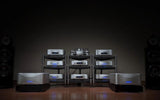
Руководство для новичков по избеганию подводных камней — Популярная наука о базовых знаниях Hi-Fi продуктов
, к Kai @ EMiUZEK Team, 14 мин время чтения
, к Kai @ EMiUZEK Team, 14 мин время чтения
Аннотация: Истинное Hi-Fi – это аутентичное воспроизведение, а не просто высокая цена. От расшифровки ключевых характеристик, таких как SNR и THD, до освоения системной синергии, это руководство поможет новичкам избежать «дорогих ловушек» аудиомира. Начните свой путь к чистому звуку студийного качества и изучите тщательно отобранное профессиональное оборудование на сайте emiuzek.com.
Hi-Fi расшифровано: почему «дорогой» не всегда означает «отличный»
Поскольку стремление к премиальному звучанию становится мейнстримом, многие новички попадают в ловушку, приравнивая высокие ценники к высокому качеству. Перегруженные жаргоном и «погоней за спецификациями», многие тратят целое состояние только для того, чтобы в итоге получить несогласованную систему, лишенную души.
На самом деле, суть Hi-Fi (High Fidelity) не в стоимости — она в аутентичном воспроизведении. Его истинная миссия — настолько точно воспроизвести оригинальную запись, чтобы вы почувствовали именно те детали и эмоции, которые задумал исполнитель.

Чтобы создать систему, которая действительно работает, не переплачивая, вам необходимо понимать синергию между основными параметрами, типами оборудования и потоком сигнала. Это руководство избавляет от маркетинговой шумихи, чтобы помочь вам избежать распространенных ошибок и создать Hi-Fi-систему, адаптированную к вашим ушам, а не только к вашему бюджету.
Hi-Fi — это аббревиатура от High Fidelity (высокая точность). Она относится к аудиооборудованию и системам, которые могут максимально аутентично воспроизводить оригинальную запись. Проще говоря, основная задача Hi-Fi-оборудования — «сделать звук, который вы слышите, точно таким же, как тот, который слышат звукорежиссеры в студии звукозаписи», без добавления лишних украшений или потери оригинальных деталей.

Многие новички ошибочно полагают, что Hi-Fi просто означает «хорошее звучание». На самом деле, приятность и точность воспроизведения — это два разных понятия. «Приятный» звук субъективен; он часто предполагает настройку звука под личные предпочтения с помощью эквалайзера, окраски тембра или других модификаций. В отличие от этого, точность воспроизведения объективна, требуя от оборудования максимально точного воспроизведения оригинальной записи — без добавления или упущения каких-либо деталей. Высококачественное Hi-Fi-устройство обеспечивает и то, и другое: оно поддерживает бескомпромиссную точность, обеспечивая при этом субъективный опыт, который большинство слушателей находит глубоко удовлетворяющим.
Основная архитектура Hi-Fi-системы строится на четырех ключевых элементах: источнике, ЦАП (цифро-аналоговом преобразователе), усилителе и выходных устройствах (колонках или наушниках). Эти модули образуют взаимосвязанную цепь, где каждое звено жизненно важно; узкое место на любом этапе неизбежно ухудшит производительность всего сигнального тракта. Это классическое проявление принципа «слабого звена» — или «эффекта ведра» — в мире Hi-Fi: окончательный потолок качества звука вашей системы строго определяется ее наиболее слабым компонентом.
При покупке Hi-Fi-оборудования вы неизбежно столкнетесь с множеством технических характеристик: отношением сигнал/шум (SNR), общими гармоническими искажениями (THD), частотной характеристикой и многим другим. Хотя это жизненно важные ориентиры для оценки качества звука, многие новички становятся «закованными» этими цифрами, полагая, что более высокие характеристики всегда означают лучший звук. На самом деле, параметры — это всего лишь ориентир; что важнее всего, так это фактическое слуховое восприятие, которое они обеспечивают. Вот краткое описание основных параметров, которые должен понимать каждый новичок.
1. Отношение сигнал/шум (SNR)
SNR представляет собой отношение между силой желаемого аудиосигнала и фоновым шумом, измеряемое в децибелах (дБ). Проще говоря, более высокое SNR означает более низкий уровень шума, что приводит к «более чистому» аудиосигналу, свободному от шипения или фоновых помех.
• Эталон: стандартное Hi-Fi-оборудование должно поддерживать SNR не менее 90 дБ. Высококлассное профессиональное оборудование может достигать 109 дБ или выше, где уровень шума становится практически незаметным, позволяя проявиться мельчайшим музыкальным деталям. Для прозрачного прослушивания выбирайте продукты с SNR 90 дБ и выше.
2. Общие гармонические искажения (THD)
THD измеряет отношение нежелательных гармонических компонентов, вносимых оборудованием, к исходному сигналу, выраженное в процентах (%). Чем ниже искажения, тем ближе выходной сигнал к исходной записи. Высокие искажения приводят к звуку, который кажется «механическим», «резким» или «напряженным».
• Эталон: премиальные Hi-Fi-устройства обычно имеют THD ниже 0,1%. Флагманские модели, такие как Esoteric N-05XE, достигают ошеломляющих 0,001%, предлагая максимальную точность. И наоборот, бюджетное оборудование может колебаться между 0,5% и 1,0%, что может привести к заметной потере естественной теплоты. Мы рекомендуем отдавать приоритет устройствам с THD 0,1% или ниже.
3. Частотная характеристика
Частотная характеристика показывает диапазон частот, который устройство может воспроизводить, измеряемый в герцах (Гц). Поскольку диапазон человеческого слуха составляет примерно от 20 Гц до 20 кГц, любое компетентное Hi-Fi-устройство должно, как минимум, охватывать этот спектр, чтобы не потерять ни одной части музыки.
• За пределами диапазона: дело не только в «ширине» диапазона, но и в «линейности» (плоскости) кривой. Плоская частотная характеристика обеспечивает точное воспроизведение без искусственного усиления или ослабления определенных частот. Например, хотя устройство может заявлять диапазон 20 Гц – 20 кГц, если его кривая неровная, вы можете столкнуться с пронзительными высокими частотами или мутными низкими. Настоящее Hi-Fi-оборудование отдает приоритет сбалансированному, нейтральному выходу над преувеличенными характеристиками.
4. Импеданс и чувствительность
Эти два параметра в основном применимы к наушникам и колонкам, определяя «сложность раскачки» оборудования.
• Импеданс (): это электрическое сопротивление устройства. Наушники с низким импедансом () легко раскачиваются и идеально подходят для мобильных телефонов или портативных плееров. Наушники с высоким импедансом () требуют мощных, специализированных усилителей, чтобы раскрыть их полный потенциал; в противном случае они могут звучать тихо, сжато или им может не хватать глубины звуковой сцены.
• Чувствительность (дБ/мВт): это измеряет уровень звукового давления, создаваемого при мощности 1 мВт. Чем выше чувствительность, тем легче достичь высокой громкости с меньшей мощностью. В целом, оборудование с чувствительностью выше 95 дБ/мВт считается высокочувствительным (легко раскачивается), в то время как все, что ниже 90 дБ/мВт, обычно требует специализированного усилителя для достижения оптимальной производительности.
Полная Hi-Fi система состоит в основном из четырех основных модулей: источника звука, декодера, усилителя и устройства вывода звука. Новичкам следует уточнить функцию каждого модуля при создании системы, чтобы избежать слепой комбинации.

1. Источник звука: «Начало» Hi-Fi системы
Источником звука является отправная точка Hi-Fi системы, отвечающая за передачу аудиосигналов. Его качество напрямую определяет потолок качества звука всей системы. Распространенные устройства-источники звука в основном делятся на следующие категории:
1. Цифровой источник звука: Это наиболее распространенный тип источника звука в настоящее время, включая мобильные телефоны, компьютеры, проигрыватели музыки без потерь, сетевые потоковые проигрыватели (такие как потоковый модуль Esoteric N-05XE), CD-проигрыватели и многое другое. Цифровые источники звука выдают цифровые сигналы, которые должны быть преобразованы в аналоговые сигналы декодером перед усилением усилителем.
2. Аналоговый источник звука: Традиционный тип источника звука, включающий виниловые проигрыватели, кассетные деки и так далее. Аналоговые источники звука выдают аналоговые сигналы, которые могут быть напрямую подключены к усилителю без декодера. Его звуковой стиль теплый и естественный с богатым «аналоговым вкусом», что делает его очень популярным среди любителей винтажного Hi-Fi.
Совет для новичка: Если вы цените удобство, вы можете использовать мобильный телефон или компьютер в качестве источника звука в паре с высококачественным декодером; если вы стремитесь к более высокому качеству звука, выберите проигрыватель музыки без потерь или сетевой потоковый проигрыватель; если вы любите винтажный стиль, вы можете попробовать виниловый проигрыватель, но учтите, что проигрыватели сложнее согласовывать с другим оборудованием и требуют относительно более высокого бюджета.
2. Декодер (ЦАП): «Конвертер» между цифрой и аналогом
Цифровые источники звука, такие как мобильные телефоны и компьютеры, используемые в повседневной жизни, выдают цифровые сигналы, состоящие из 0 и 1, в то время как усилители, колонки и наушники могут распознавать только аналоговые сигналы. Поэтому основная функция декодера — преобразование цифровых сигналов в аналоговые, одновременно оптимизируя качество сигнала, уменьшая помехи и улучшая качество звука.

Декодеры делятся на автономные декодеры и интегрированные декодеры. Автономный декодер — это независимое устройство с превосходными характеристиками качества звука, подходящее для пользователей, стремящихся к высококачественному звуку. Интегрированный декодер встроен в другие устройства.
Рекомендация для новичков: На начальном уровне нет необходимости покупать автономный декодер. Достаточно выбрать устройства, интегрированные с высококачественными ЦАП, такие как проигрыватели и колонки с функциями декодирования. Когда аудиосистема будет модернизирована до определенного уровня, вы можете рассмотреть возможность добавления автономного декодера для дальнейшего улучшения качества звука.
3. Усилитель: «усилитель» звука
Основная функция усилителя — усиление слабого аналогового сигнала, поступающего от декодера, для подачи на колонки или наушники с целью воспроизведения звука. Без усилителя мощность аналогового сигнала недостаточна для работы колонок или наушников. Даже если звук может быть произведен, качество звука будет низким, с низкой громкостью, плохим разрешением и недостаточной динамикой. (EMIUZEK AMP600)

3. Усилители в основном делятся на следующие категории:
Совет для новичков: Если вы используете наушники, вы можете выбрать плеер со встроенной функцией усилителя для наушников или оборудование, интегрированное с усилителем для наушников; если вы используете колонки, вы можете выбрать интегрированный усилитель в паре с пассивными колонками на начальном уровне; если вы стремитесь к упрощенной системе, устройство «все в одном» со встроенным усилителем — хороший выбор.
4. Звуковоспроизводящее оборудование: «выходной терминал» звука. Будучи заключительным звеном Hi-Fi системы, звуковоспроизводящее оборудование отвечает за преобразование усиленных аналоговых сигналов в звуковые сигналы. Оно в основном делится на две категории: колонки и наушники. Новички могут сделать выбор в соответствии со своими сценариями использования.

Рекомендация для новичков: Если у вас есть фиксированное место для прослушивания, например, кабинет или спальня, активные колонки — отличный выбор из-за их удобства. Если вы часто слушаете аудио в движении, рекомендуются наушники, чтобы не мешать другим. На начальном уровне нет необходимости гоняться за высококлассными продуктами; просто выберите экономичные устройства начального уровня. Сначала развивайте свое слуховое восприятие, затем постепенно обновляйте оборудование.
Заблуждение 1: Дорогой значит лучше; чем выше цена, тем лучше качество звука
Это самое распространенное заблуждение среди новичков. Качество звука Hi-Fi-оборудования зависит не только от цены, но и от бренда, технологии, согласования системы и других факторов. Некоторые дорогие устройства, несмотря на их высокие цены, могут обеспечить худшее звучание по сравнению с экономичной системой начального уровня, если они не согласованы. Между тем, некоторые доступные по цене устройства начального уровня могут обеспечить отличный опыт прослушивания при правильном согласовании системы.
**Рекомендация**: Начиная, не гонитесь слепо за дорогими продуктами. Выбирайте хорошо зарекомендовавшие себя, экономичные устройства в рамках вашего бюджета, отдавайте приоритет сбалансированному согласованию системы и рассматривайте постепенные обновления позже.
## Заблуждение 2: Чем дороже аудиокабель, тем сильнее улучшение качества звука
Аудиокабели действительно влияют на качество звука, но их влияние гораздо менее значительно, чем влияние самого источника звука, декодера, колонок или наушников. Новичкам не нужно вкладывать большие средства в дорогие кабели; оригинальных или начальных кабелей более чем достаточно. Только когда ваша система будет модернизирована до высокого уровня, разница, которую вносят кабели, станет заметной, и тогда вы сможете рассмотреть возможность перехода на премиальные кабели.
**Рекомендация**: На начальном этапе нет необходимости тратить лишние деньги на кабели. Сосредоточьтесь сначала на обновлении основного оборудования. Заменяйте кабели только после обновления системы по мере необходимости и избегайте ставить телегу впереди лошади.
## Заблуждение 3: Аудио высокого разрешения всегда звучит лучше, чем CD
Теоретически, аудио высокого разрешения (например, 24 бит/96 кГц) содержит больше акустической информации, чем стандартный CD (16 бит/44,1 кГц). Однако фактическое слышимое улучшение зависит от качества оборудования и личного слуха. Для Hi-Fi-систем начального уровня качество звука CD уже выдающееся, а преимущества аудио высокого разрешения практически незаметны. Только в сочетании с высококлассным оборудованием можно оценить тонкость и насыщенность аудио высокого разрешения.
**Рекомендация**: Новичкам не нужно целенаправленно гнаться за аудио высокого разрешения. Начните с без потерь аудиоформатов (FLAC, WAV), постепенно обновляйте свое оборудование, а затем попробуйте аудио высокого разрешения.
## Заблуждение 4: Настройка эквалайзера может полностью компенсировать недостатки оборудования
Настройка эквалайзера может оптимизировать производительность определенных частот — например, усилить басы или высокие частоты, чтобы настроить звук в соответствии с личными предпочтениями — но она не может принципиально улучшить основные качества оборудования, такие как разрешение и динамический диапазон. Чрезмерное использование эквалайзера может даже ухудшить качество звука, вызывая искажения и резкий аудиовыход.
**Рекомендация**: Используйте эквалайзер умеренно и отдавайте предпочтение оборудованию с изначально отличным качеством звука. Если настройка действительно необходима, держите ее умеренной и избегайте чрезмерной регулировки.
## Заблуждение 5: Слепое стремление к аудиофильским настройкам, игнорируя личные потребности
Некоторые новички спешат купить высококлассные аудиофильские конфигурации, не учитывая свои реальные сценарии использования и потребности. Например, приобретение громоздких настольных систем для частого прослушивания в дороге или покупка мощных напольных колонок для небольших комнат. Это не только не позволяет раскрыть весь потенциал оборудования, но и ухудшает впечатления от прослушивания.
**Рекомендация**: Перед покупкой оборудования уточните свои сценарии использования (настольный, гостиная, портативное использование), привычки прослушивания (наушники, колонки) и бюджет. Выбирайте устройства, соответствующие вашим потребностям, вместо того чтобы слепо следовать аудиофильским тенденциям.
# V. Советы по созданию Hi-Fi системы для новичков: Делайте это шаг за шагом и в рамках бюджета
Основной принцип для новичков в Hi-Fi — **двигаться шаг за шагом и действовать по средствам**. Нет необходимости сразу же тратиться на дорогие конфигурации. Целесообразно постепенно обновляться, следуя пути **Начальный → Средний → Высокий класс**, что экономит бюджет и помогает развивать слуховое восприятие.
1. **Начальный этап**: Отдайте предпочтение универсальным устройствам или простым конфигурациям, таким как проигрыватели музыки без потерь со встроенными функциями декодирования и усилителя для наушников в паре с наушниками начального уровня или активные настольные колонки. Сосредоточьтесь на развитии слухового восприятия и ознакомлении с акустическими характеристиками Hi-Fi-звучания.
2. **Средний этап**: Обновите основное оборудование в соответствии с личными потребностями, например, перейдите на более качественные декодеры и усилители или обновите наушники/колонки, чтобы оптимизировать согласование системы и улучшить общее качество звука.
3. **Высокий класс**: Стремитесь к максимальному балансу системы и совершенству звука. Вы можете выбрать премиальные универсальные устройства, автономные декодеры, интегрированные усилители, пассивные колонки в паре с высококлассными кабелями, чтобы воспроизвести качество звука, наиболее близкое к оригинальной студийной записи.
# Заключение: Суть Hi-Fi — наслаждение музыкой
На самом деле, Hi-Fi гораздо менее сложен, чем кажется. Его основная суть — это **наслаждение музыкой** — использование высококачественного оборудования для восстановления истинной текстуры музыки и восприятия эмоций и радости, которые она приносит. Новичкам не стоит пугаться профессиональной терминологии и сложных параметров, а также слепо гнаться за дорогими продуктами. Достаточно определить свои потребности, выбрать подходящее оборудование и разумно подобрать компоненты системы, чтобы получить удовлетворительное звуковое впечатление.
Hi-Fi — это путь постепенного совершенствования. На этом пути вы будете оттачивать свой слуховой вкус, изучать характеристики различных устройств и открывать свой собственный уникальный стиль звуковых предпочтений. Надеемся, что это популярное руководство поможет новичкам без проблем начать осваивать Hi-Fi, избежать распространенных ошибок и насладиться бесконечной радостью музыки в мире Hi-Fi.