
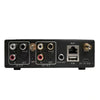
앰프 출력이 높으면 소리도 좋아질까? | EMIUZEK 오디오 아카데미 #07
, ~에 의해 Kai @ EMiUZEK Team, 4 분 읽기 시간
, ~에 의해 Kai @ EMiUZEK Team, 4 분 읽기 시간
와트가 더 높은 앰프가 자동으로 더 좋은 소리를 낼까요? 이 초보자용 가이드에서 EMIUZEK 오디오 아카데미는 앰프 출력, THD, 스피커 감도, 그리고 왜 순수한 전력이 단순히 높은 와트수보다 더 중요한지에 대해 설명합니다.
앰프 출력이 높을수록 소리가 더 좋은가요? | EMIUZEK 오디오 아카데미 #07
많은 초보자들은 더 높은 와트의 앰프가 자동으로 더 나은 음질을 제공한다고 생각합니다. 실제로는 앰프 출력은 방정식의 한 부분에 불과합니다. 스피커 감도, 왜곡 수준, 앰프 디자인이 순수 와트 수보다 훨씬 더 중요한 경우가 많습니다.
EMIUZEK 오디오 아카데미에 오신 것을 환영합니다. 오늘의 가이드에서는 앰프가 실제로 어떻게 작동하는지, 와트가 실제로 무엇을 의미하는지, 그리고 마케팅 과대 광고에 속지 않고 오디오 설정에 적합한 앰프를 선택하는 방법을 설명해 드리겠습니다.
앰프는 실제로 무엇을 하는가?
오디오 시스템을 자동차라고 생각해보세요.
DAC 또는 음악 스트리머는 신호와 디테일을 제공하며, 앰프는 스피커에 전원을 공급하는 엔진 역할을 합니다.
스피커 드라이버는 물리적으로 움직여 음파를 생성하기 위해 전력이 필요합니다. DAC, 스트리머 또는 전화에서 나오는 미세한 신호는 그 자체로 너무 약합니다. 앰프는 스피커를 제대로 구동하고 방을 소리로 채울 수 있을 만큼 충분한 전압과 전류로 해당 신호를 증폭합니다.
현대적인 무선 설정을 구축하고 있다면 EMIUZEK WR30 Pro 무선 오디오 스트리머와 같은 장치는 음악 스트리밍 및 앰프 기능을 소형 올인원 솔루션으로 결합합니다.
앰프 출력이 높을수록 소리가 더 좋은가요?
반드시 그런 것은 아닙니다.
하이파이 오디오에서 가장 큰 오해 중 하나는 200W 앰프가 50W 앰프보다 자동으로 더 좋은 소리를 낸다고 믿는 것입니다. 실제로 음질은 순수한 와트 수보다 깨끗한 전력 전달에 더 많이 좌우됩니다.
거실에서 일반적인 청취를 위해 대부분의 시스템은 평균 재생 중 약 1~5와트만 사용합니다. 이것이 바로 많은 오디오 애호가들이 "첫 번째 와트"의 중요성에 대해 이야기하는 이유입니다. 대부분의 음악적 디테일, 따뜻함, 선명함이 실제로 여기에 존재하기 때문입니다.
와트보다 THD가 더 중요한 이유
앰프를 비교할 때는 항상 THD(총 고조파 왜곡) 등급을 확인하십시오.
100W로 광고된 앰프라도 왜곡 수준이 높으면 거칠거나 탁한 소리가 날 수 있습니다. 고음질 앰프는 단순히 더 큰 볼륨을 내는 것보다 깨끗하고 제어된 출력을 우선시합니다.
낮은 왜곡은 일반적으로 다음을 의미합니다.
더 깨끗한 보컬 더 나은 악기 분리 적은 청취 피로 더 자연스러운 사운드 스피커 감도는 매우 중요합니다.
스피커 감도는 시스템의 최대 볼륨에 큰 영향을 미칩니다.
감도가 높은 스피커는 평범한 30W 앰프로도 인상적인 볼륨을 생성할 수 있습니다. 한편, 감도가 낮은 스피커는 제대로 작동하려면 훨씬 더 많은 전력이 필요할 수 있습니다.
이것이 바로 더 큰 와트 수를 쫓는 것보다 앰프 매칭이 더 중요한 경우가 많은 이유입니다.
클래스 D vs 클래스 AB 앰프
현대 앰프는 일반적으로 클래스 A, 클래스 AB, 클래스 D를 포함한 여러 범주로 나뉩니다.
클래스 A 앰프는 따뜻한 사운드로 유명하지만 상당한 열을 발생시키고 많은 전력을 소비합니다.
클래스 AB 앰프는 수년 동안 효율성과 음질 사이의 전통적인 타협점이었습니다.
오늘날 현대적인 클래스 D 앰프는 사운드 성능과 효율성의 주요 개선 덕분에 매우 인기가 많아졌습니다. 더 시원하게 작동하고 공간을 덜 차지하며 데스크톱 및 거실 시스템에 탁월한 오디오 품질을 제공합니다.
많은 현대 무선 오디오 스트리밍 장치는 현대 홈 하이파이 시스템용으로 설계된 EMIUZEK AMP600 스트리밍 앰프와 같은 제품을 포함하여 고급 클래스 D 앰프 아키텍처에 의존하고 있습니다.
어떤 앰프 설정이 당신에게 적합할까요?
다른 오디오 설정은 다른 우선순위를 요구합니다.
데스크톱 오디오 시스템
낮은 왜곡을 가진 컴팩트 DAC 앰프는 니어필드 청취 및 헤드폰 설정에 이상적입니다.
다중룸 스트리밍 시스템
앱 제어 및 스트리밍 지원을 제공하는 무선 앰프는 가정 전체 오디오 환경에 잘 작동합니다.
EMIUZEK R20 무선 스트리밍 리시버와 같은 솔루션은 기존 스피커 시스템과 유연한 무선 오디오 통합을 원하는 사용자를 위해 설계되었습니다.
거실 하이파이 시스템
현대적인 클래스 D 스트리밍 앰프는 음질, 효율성, 무선 연결성 및 일상적인 사용성 사이에서 탁월한 균형을 제공합니다.
EMIUZEK WR30Pro 무선 스트리밍 앰프와 같은 장치는 현대 홈 오디오 시스템을 위해 AirPlay 및 Spotify Connect와 같은 무선 스트리밍 기능과 효율적인 클래스 D 증폭 기능을 결합합니다.
EMIUZEK 무선 오디오 스트리밍 공식 웹사이트에서 더 많은 무선 오디오 솔루션을 찾아볼 수 있습니다.
FAQ 더 높은 와트가 더 나은 음질을 의미하나요?
아니요. 더 높은 와트는 주로 최대 볼륨에 영향을 미치며, 음질은 앰프 디자인, 왜곡 수준 및 스피커 매칭에 더 많이 좌우됩니다.
북쉘프 스피커에 몇 와트가 필요합니까?
작거나 중간 크기의 방에 있는 대부분의 북쉘프 스피커의 경우 30W에서 80W면 일반적으로 충분합니다.
클래스 D 앰프는 하이파이에 적합합니까?
예. 현대적인 클래스 D 앰프는 높은 효율성과 컴팩트한 크기로 탁월한 음질을 제공할 수 있습니다.
앰프와 스피커 중 무엇이 더 중요합니까?
둘 다 중요하지만, 스피커가 시스템의 전반적인 사운드 특성에 더 큰 영향을 미칩니다.
EMIUZEK 오디오 아카데미 #08에서 다룰 내용: 액티브 스피커 vs 패시브 스피커 — 어떤 설정이 당신의 집에 적합할까요?